Enhance Your Outdoor Area: Skilled Landscaping Offerings Designed for Your Home
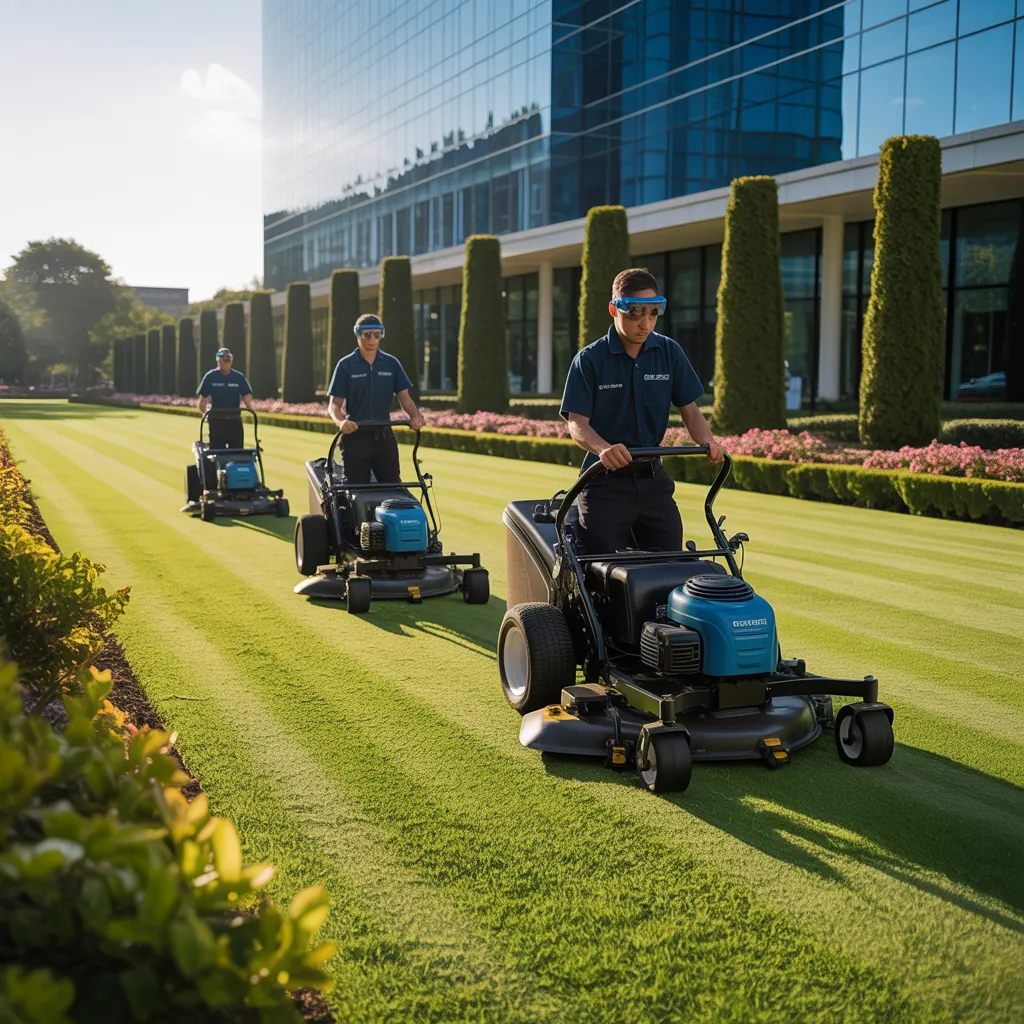
Changing an outdoor area can significantly affect a home’s visual charm and functionality. Professional landscaping services provide expert advice in design, selecting plants, and green techniques. These specialists can blend modern trends with hardscaping features to create a customized space. Yet, the process involves more than just appearance. Understanding the entire range of benefits and considerations helps make a more educated decision. What should homeowners prioritize when beginning this journey?
Key Advantages of Utilizing Professional Landscapers
When evaluating outdoor enhancements, many property owners find that employing professional landscapers provides significant advantages. These specialists bring a wealth of knowledge and background that can convert a yard into a unified, visually appealing space. First, they have a comprehensive knowledge of regional weather and soil conditions, allowing them to select the most suitable plants and supplies. This ensures durability and vitality in the landscaping.
Additionally, professional landscapers can efficiently execute elaborate designs that may overpower an inexperienced homeowner. They have access to customized tools and equipment, which can reduce effort and limit injury risk. Furthermore, they can provide beneficial insights on sustainable practices and maintenance, supporting homeowners design environmentally friendly spaces. Ultimately, by retaining professional landscaping services, homeowners can boost property value and create outdoor areas that express their personal style while ensuring functional and sustainable designs.
Top Yard Design Movements Worth Your Notice
As landscaping progresses, various trends are rising in popularity among gardeners and industry experts alike. Green outdoor approaches, tiered planting systems, and the implementation of native plants are reshaping outdoor spaces while fostering environmental health. Comprehending these trending practices can inspire creative designs and boost the charm of any landscape.
Responsible Landscape Management
Sustainable gardening practices have gained considerable traction in recent years, reflecting a growing awareness of ecological concerns. Homeowners are increasingly prioritizing eco-friendly designs that minimize water usage and promote biodiversity. Native plants, for example, require less maintenance and provide habitats for local wildlife. Additionally, utilizing permeable paving materials helps reduce runoff and encourages groundwater recharge. Rain gardens are another popular choice, capturing stormwater and filtering pollutants. Composting organic waste for mulch not only enriches soil but also reduces landfill contributions. Moreover, the integration of sustainable irrigation systems, such as drip irrigation, conserves water while maintaining vibrant landscapes. Overall, these practices not only enhance outdoor aesthetics but also contribute positively to the environment, aligning with modern ecological values.
Vertical Garden Approaches
The progress of sustainable landscape practices has paved the way for forward-thinking design approaches, including vertical gardening. This system allows homeowners to optimize limited space, turning walls and fences into lush green canvases. Vertical gardens not only boost aesthetic appeal but also improve air quality and biodiversity. With different setups available, such as modular panels and hydroponic setups, homeowners can choose options that align with their specific needs and environmental conditions. These gardens can accommodate a wide range of plants, from ornamental flowers to edible herbs, keeping them versatile and functional. As urban living continues to expand, vertical gardening emerges as a practical trend that blends beauty with sustainability, allowing for a greener, more vibrant outdoor space.
Native Greenery Selection
A growing quantity of homeowners are adopting native plant choices as a key development in outdoor design. This method emphasizes incorporating plants that are native to the local setting, encouraging biological diversity and sustainability. Native plants need minimal water and little care, making them a sensible choice for eco-aware homeowners. Moreover, they draw in local wildlife, such as pollinating insects and birds, enhancing the ecosystem. Experts recommend researching regional flora to choose species that thrive in specific circumstances, ensuring a lively and resilient outdoor environment. By incorporating native plants, homeowners can create beautiful outdoor spaces that showcase their local heritage while supporting environmental preservation. This phenomenon not only improves visual appeal but also cultivates a deeper connection with the natural world.
Incorporating Styles Into Your Outdoor Design
Integrating emerging trends into landscape design can enhance both aesthetics and functionality. Environmentally conscious landscaping highlight natural sustainability, while innovative hardscape designs offer practical ideas for outdoor spaces. Together, these approaches establish appealing and eco-friendly landscapes that speak with modern standards.
Eco-Friendly Landscape Planning
How can homeowners develop outdoor spaces that are both beautiful and environmentally responsible? Sustainable landscaping practices provide a effective solution. By choosing native plants, homeowners can cut water usage and support local biodiversity. Incorporating organic gardening techniques minimizes chemical inputs, nurturing healthier ecosystems. Rain gardens and permeable paving can regulate stormwater runoff, increasing both functionality and aesthetics. Utilizing compost and mulching improves soil health while reducing waste. Additionally, integrating efficient irrigation systems protects water while ensuring plant health. Homeowners additional article can also embrace xeriscaping to design eye-catching landscapes that thrive in arid conditions. These practices not only enhance the beauty of outdoor spaces but also give back positively to the environment, showing a commitment to sustainability in landscaping design.
Modern Hard landscaping Features
What traits characterize modern hardscaping in contemporary outdoor design? This approach stresses clean lines, geometric shapes, and a blend of materials that create functional outdoor spaces. Key features often include concrete pavers, natural stone, and wood elements, which are used to craft patios, walkways, and retaining walls. Additionally, modern hardscaping weaves outdoor living spaces, such as fire pits and outdoor kitchens, seamlessly into the landscape. Water features, like minimalist ponds or fountains, further enhance the aesthetic while promoting tranquility. The use of sustainable materials and permeable surfaces shows a growing trend towards eco-friendliness. Ultimately, modern hardscaping prioritizes both form and function, creating inviting environments that harmonize with nature and elevate outdoor experiences.
Picking the Ideal Landscaping Solutions
It is also critical to verify credentials, such as licenses and insurance, to guarantee adherence with local regulations. Clients should seek companies that provide tailored services tailored to their specific needs and preferences. Participating in a comprehensive discussion allows for open communication of ideas and expectations.
In conclusion, securing comprehensive quotes from multiple contractors can facilitate intelligent monetary choices. By thoroughly reviewing these aspects, property owners can choose outdoor improvement services that not only achieve their vision but also amplify the overall value of their property.
Straightforward Maintenance Advice for Your Backyard Paradise
Building a stunning outdoor oasis requires regular maintenance, but establishing a few easy strategies can make the process hassle-free. Regularly scheduled duties, such as moistening early in the morning or late in the evening, help retain moisture and inhibit evaporation. Mulching around plants not only retains soil moisture but also keeps down weeds, minimizing the need for constant attention.
Indigenous vegetation can minimize upkeep considerably, as they are adapted to local conditions and require less watering and care. Creating a routine for pruning and deadheading guarantees plants remain attractive and vibrant.
In conclusion, committing to a reliable watering solution can save time and assure steady hydration. By following these easy upkeep guidelines, residents can relish their outdoor oasis while keeping it vibrant and inviting without excessive effort.
Estimating Your Landscaping Expenses
Calculating landscaping expenses can be a important step in revamping an outdoor area. Homeowners should first evaluate their unique needs and objectives, which may vary widely based on the desired features such as gardens, patios, or water features. Then, requesting several quotes from well-regarded landscaping experts is necessary; this ensures a practical budget while allowing comparisons of services offered.
Materials, labor, and design complication greatly influence overall costs. For example, premium plants and hardscaping materials can increase expenses, while simpler designs may keep costs affordable. Additionally, ongoing maintenance costs should not be overlooked, as they can impact long-term budgeting.
Ultimately, it is judicious to establish a reserve fund for unexpected expenses that may take place during the project. By thoughtfully budgeting costs and organizing plans, homeowners can fulfill their dream outdoor space without budgetary hardship.
Frequently Requested Questions
How Much Time Does it Take to Complete a Typical Landscaping Assignment?
A standard landscape work usually takes between one week to several months to finish, based on the project's size and complexity. Aspects such as climate conditions, design intricacies, and material sourcing can also affect the duration.
Will Grounds Maintenance Services Aid With Inadequate Drainage Challenges?
Yes, outdoor maintenance services can effectively address water management problems. Professionals examine the landscape, implement solutions like grading, water management systems, and proper plant selection, ensuring water circulates sufficiently and decreases flooding or erosion in landscaped areas.
What Aspects Should I Reflect On Before Employing a Landscaper?
Before hiring a landscaper, you should consider their budget, the landscaper's experience, portfolio, references, design style, timelines, and understanding of local requirements. Clear communication of expectations will guarantee a prosperous landscaping project.
Can you find green landscaping options available?
Absolutely, eco-friendly outdoor design choices are on hand. These feature native plants, xeriscaping, organic fertilizers, rain gardens, and permeable paving, all meant to promote sustainability while enhancing visual beauty and nurturing local animal life and natural systems.
How Often Should I Plan Care for My Outdoor Space?
Periodic upkeep for landscaping should be scheduled every four to six weeks during the growing season. This assures superior appearance and health, allowing plants to thrive while avoiding overgrowth and preserving overall landscaped aesthetics.
Comments on “Helpful Tips to Memphis Landscaper”